
The Emails Most Small Businesses Are Missing (And Why They Matter More Than You Think)
Most businesses don’t have a marketing problem. They have a follow-up problem.
Someone looks into your business. Maybe they visit your site, ask a question, or start to book.
And then… nothing happens.
No reminder. No next step. No reason to come back. Not because you decided not to follow up—but because there’s nothing set up to do it for you. And that’s where a lot of business gets lost.
Why this matters more than most people realize
Most people don’t decide right away; they:
get busy
get distracted
compare a few options
or, just need a little more confidence before moving forward
Without a follow-up, that interest fades quickly. And the frustrating part is: those were often the right customers.
Why email marketing still works for small businesses
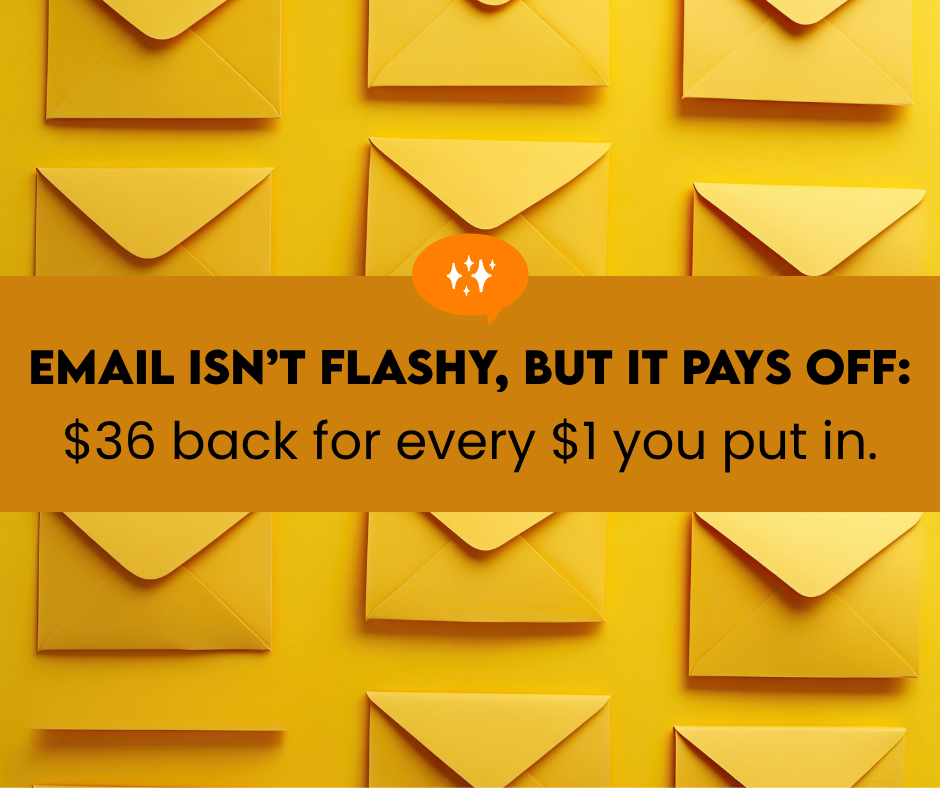
Email isn’t flashy. It’s not the thing most businesses are excited to set up. But it consistently delivers one of the highest returns in marketing.
On average, businesses see $36 back for every $1 they spend on email*.
Not because it’s complicated; because it shows up at the right time.
You don’t need more email marketing.just better follow-up.
You don’t need a weekly newsletter. You don’t need a complicated system. You need a few well-timed emails that match how your business actually works.
This is the baseline I look for when I review a local business:

1. The Welcome Email
When someone joins your list, they’re paying attention.
That moment matters.
Keep this simple:
introduce your business
deliver anything you promised (discount, guide, etc.)
explain what they’ll hear from you
What this looks like locally:
A salon confirming how booking works
A gym explaining class updates and promotions
A shop sharing new arrivals or events
You’re setting expectations, not trying to impress.

2. The “What You Do” Email
This is where you give context.
Help people quickly understand:
what you offer
who you’re for
why someone would choose you
Examples:
A contractor explaining their process
A bakery sharing what makes their products different
A nonprofit showing what donations support
This is where people decide if you’re a fit.

3. The Proof Email
Before people take the next step, they look for reassurance.
Show:
reviews
real work
real experiences
For most small businesses, this looks like:
Google review screenshots
before-and-after photos
short customer quotes
It doesn’t need to be polished. It needs to feel real.
Why follow-up emails matter more than abandoned cart emails
That advice is built for ecommerce. Most local businesses don’t have carts. What they have is drop-off:
someone didn’t book
didn’t call back
didn’t move forward
That’s where the next set of emails comes in.

4. The Reminder
Sometimes people just need a nudge.
Examples:
“Still thinking about booking?”
“Your estimate is still open”
“We have availability next week”
This works more often than most businesses expect.

5. The Reassurance Email
If someone doesn’t respond, they’re usually unsure—not uninterested.
This is where you:
answer common questions
explain your process
remove hesitation
Think:
what to expect
how long things take
what customers usually ask before getting started
This is what helps someone feel ready to move forward.

6. The Thank You Email
After someone books or buys, most businesses go quiet.
This is a missed opportunity.
Your “thank you” email should:
confirm what they did
explain what happens next
reinforce that they made a good decision
This is where trust starts to build.

7. The Follow-Up
After the service or purchase:
check in
ask how things went
open the door for reviews or referrals
It can be simple:
“Everything go okay?”
“Let us know if you need anything else.”
That’s often enough to create repeat business.
The One Most Businesses Skip
Someone comes in once… and then disappears.
The “We Haven’t Seen You” Email
This is one of the simplest—and most overlooked—emails you can send.
Examples:
“We haven’t seen you in a while—here’s what’s new”
“Fall bookings are open”
“We’ve added a few new services”
You’re not pushing.
You’re reminding.
What about regular emails?
You don’t need to send something every week. For most local businesses:
1–2 emails per month is enough
focus on updates, events, and seasonal moments
Consistency matters more than volume.
The bottom line
You don’t need more marketing. You need better follow-up because most people don’t say no.
They just need:
a reminder
a little more clarity
or a reason to come back
And a few simple emails can do that, without adding more to your plate.
If you’re thinking “we don’t really have this set up”
That’s normal.
It’s one of the first things I look at—because it’s usually where the easiest wins are.